%20Solitaire%20Engagement%20Ring%20set%20with%20a%20Round%20Cut%20Diamond.png?width=2400&height=1260&name=Rose%20Gold%20Accented%20Engagement%20Ring%20set%20with%20a%20Pear%20Cut%20Diamond%3B%20White%20Gold%20(or%20Platinum)%20Solitaire%20Engagement%20Ring%20set%20with%20a%20Round%20Cut%20Diamond.png "Platinum vs Gold Lab Grown Diamond Rings: A Complete Guide")
Choosing the perfect ring is an exciting yet overwhelming journey, especially when you’re deciding between platinum vs gold lab grown diamond rings. Each metal brings its own charm, durability, and aesthetic appeal. When paired with lab diamonds, the result is not only stunning but also ethical and sustainable.
If you’re on the fence about which metal suits your lifestyle, personality, and budget, this comprehensive guide will help you make an informed choice. Let’s dive into everything you need to know about these luxurious yet conscious combinations.
Why Lab Diamonds Are the Future
Before comparing platinum vs gold lab grown diamond rings, it’s essential to understand what makes lab diamonds so special.
Lab diamonds are created in high-tech labs using advanced methods that replicate natural diamond formation. They have the same chemical, physical, and optical properties as mined diamonds but come without the environmental and ethical concerns.
Not only are lab diamonds more affordable, but they also support a more transparent and sustainable diamond industry.
Platinum vs Gold: What Sets Them Apart?
When it comes to the band for your lab grown diamond ring, both platinum and gold offer distinct advantages. Here’s a breakdown of what differentiates the two:
| Feature | Platinum | Gold (Yellow/White/Rose) |
|---|---|---|
| Color | Naturally white | Comes in yellow, white, and rose |
| Durability | Extremely durable and dense | Durable but softer than platinum |
| Hypoallergenic | Yes | White gold may contain nickel (allergy risk) |
| Maintenance | Develops a patina over time | May need re-plating (especially white gold) |
| Cost | Generally more expensive | Usually more affordable |
Aesthetic Appeal: Which One Looks Better?
The visual difference between platinum vs gold lab grown diamond rings is subtle but impactful.
Platinum offers a cool, silver-toned luster that enhances the brilliance of lab diamonds, especially for colorless or near-colorless stones.
Yellow gold gives a classic, vintage look and adds warmth to the diamond.
Rose gold offers a romantic and modern flair, especially popular in contemporary ring designs.
White gold, though similar in appearance to platinum, may fade over time and require maintenance.
So, the choice often boils down to your personal style preference.
Durability and Longevity
When investing in a lab diamond ring, you want something that lasts a lifetime.
Platinum is dense and less prone to wear, making it ideal for those with an active lifestyle.
Gold, especially in 14K or 18K, is durable but may show scratches over time. White gold might require rhodium re-plating every few years.
If you’re choosing between platinum vs gold lab grown diamond rings with durability in mind, platinum slightly edges out due to its natural hardness.
Skin Sensitivity and Hypoallergenic Factors
For individuals with sensitive skin, this category is vital.
Platinum is hypoallergenic and an excellent choice if you have skin allergies or sensitivities.
White gold often contains nickel, which can cause allergic reactions. Opt for nickel-free alloys if you prefer gold but have skin concerns.
This can be a deciding factor for those torn between platinum vs gold lab grown diamond rings.
Cost Comparison
Although lab diamonds are significantly less expensive than mined diamonds, the metal still contributes a fair share to the overall price.
Platinum rings are typically 20-30% more expensive than gold due to their density and rarity.
Gold, being lighter and more abundant, offers a more budget-friendly option without sacrificing elegance.
If you’re working within a budget but don’t want to compromise on beauty, gold might be the better choice. However, if longevity and luxury are your priorities, platinum is well worth the investment.
Environmental and Ethical Considerations
The use of lab diamonds already reduces your ring’s carbon footprint. When paired with either recycled gold or responsibly sourced platinum, your choice becomes even more ethical.
Both metals can be recycled, making either a sustainable option. Still, platinum mining has a more significant environmental impact than gold. If you’re environmentally conscious, it’s worth sourcing recycled platinum or choosing eco-friendly gold suppliers.
Popular Styles in Platinum and Gold Settings
Certain ring styles look better in specific metals. Here’s how:
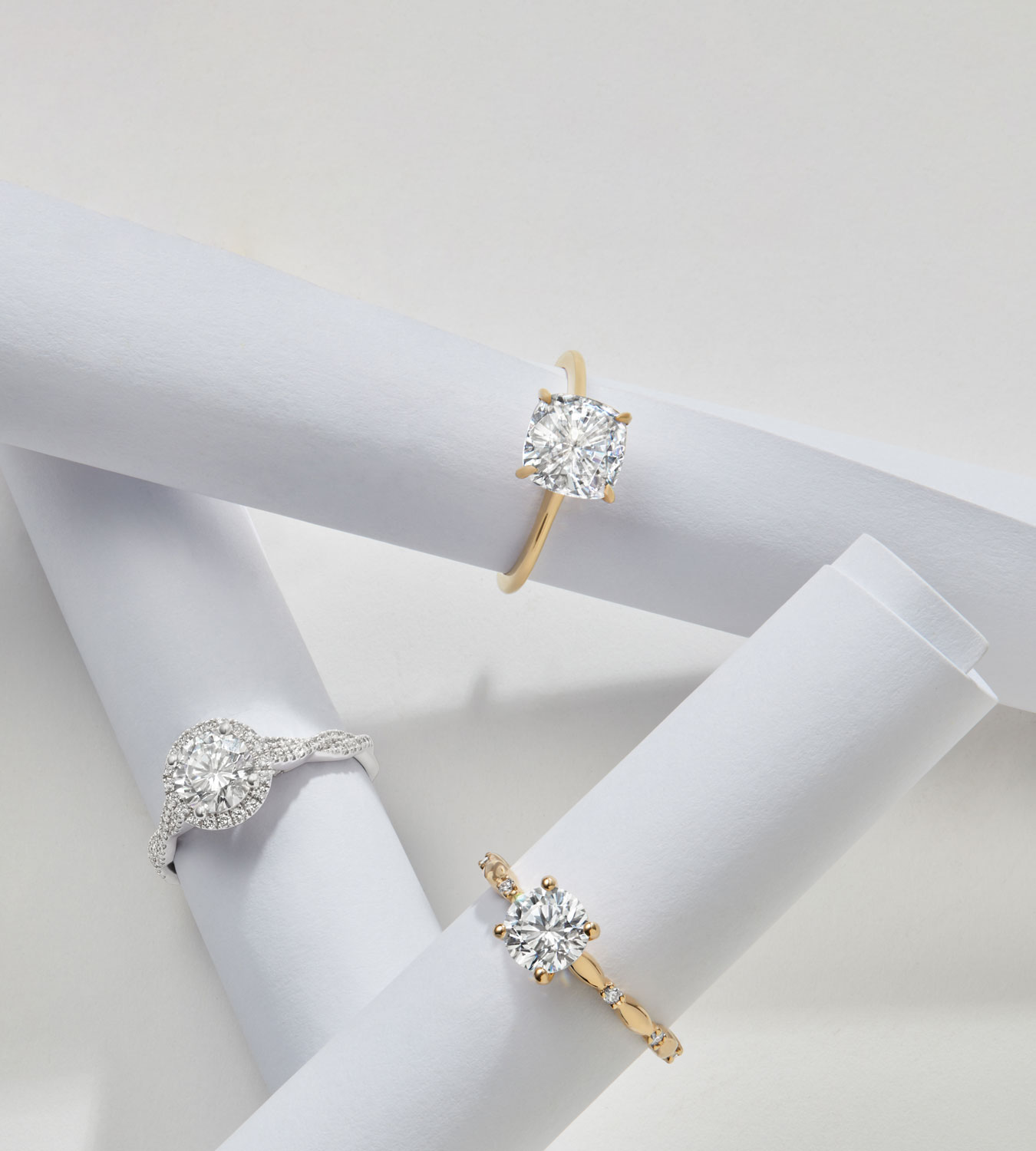
Solitaire Rings: Timeless and elegant, look breathtaking in both platinum and yellow gold.
Vintage Designs: Rose gold is ideal for antique-inspired pieces.
Halo Settings: White metals like platinum and white gold amplify the sparkle of lab diamonds.
Minimalist Bands: Platinum gives a sleek, modern finish perfect for understated styles.
Choosing the right combination can elevate the entire aesthetic of your ring.
Matching with Wedding Bands
If you’re considering stacking or matching your engagement ring with a wedding band, keep in mind:
Platinum vs gold lab grown diamond rings will pair best with a matching metal band to avoid wear from hardness differences.
Mixing metals is trending but might require more maintenance over time.
Consistency is key, especially if you want a seamless, elegant look.
Final Thoughts: Which Should You Choose?
In the debate between platinum vs gold lab grown diamond rings, there’s no one-size-fits-all answer. It all boils down to your:
Style preferences
Budget
Lifestyle
Sensitivities
Ethical values
Regardless of the metal you choose, pairing it with lab diamonds ensures a stunning, sustainable, and socially responsible ring.
FAQs
Q1: Are lab diamonds as durable as natural diamonds?
Yes, lab diamonds have the same hardness (10 on the Mohs scale) and durability as mined diamonds.
Q2: Will platinum change color over time?
Platinum develops a patina—a soft sheen that many people love. It can be polished to restore its original shine if preferred.
Q3: Is white gold the same as platinum?
No. Though visually similar, white gold is an alloy and may require rhodium plating. Platinum is a pure metal and heavier.
Q4: Which metal is best for sensitive skin?
Platinum is hypoallergenic and the best option for people with metal allergies.
Q5: Can I resize both platinum and gold rings?
Yes, but platinum resizing may cost more due to its density and required expertise.
Q6: Do lab diamonds come in different colors?
Absolutely! Lab diamonds are available in various colors like pink, yellow, and blue, just like natural diamonds.